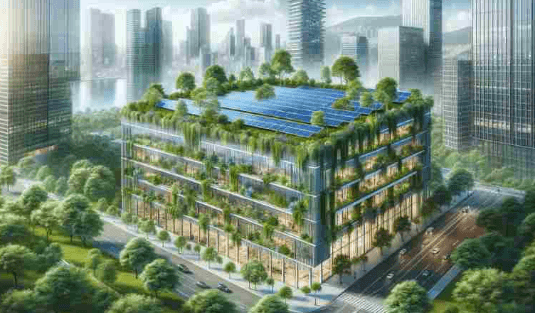
Sustainable construction technology integrates design, materials, and processes to reduce environmental impact across the lifecycle. It emphasizes embodied carbon, energy use, and resource flows from design to decommissioning. Digital tools—BIM, IoT, analytics—support data-driven decisions within interoperable standards. Interdisciplinary governance and resilient financing enable adaptive, policy-aligned projects. The approach is methodical and fiscally prudent, but its real-world tradeoffs and implementation pathways warrant careful examination as systems evolve.
What Is Sustainable Construction Technology?
Sustainable construction technology encompasses methods, materials, and processes that minimize environmental impact while maximizing lifecycle performance. This field analyzes systems across design, construction, operation, and end-of-life, evaluating energy, emissions, and resource flows. It integrates recycled energy concepts and carbon sequestration potential, enabling scalable, data-driven decisions. The perspective remains interdisciplinary, enabling freedom to pursue innovative, resilient, and sustainable built environments.
From Materials to Methods: Low-Impact Tech That Works
From materials to methods, the focus shifts to low-impact technologies that prove viable across the full lifecycle of construction projects. The analysis triangulates material performance, system integration, and lifecycle cost, emphasizing embodied carbon metrics and microgrid optimization. Interdisciplinary evidence aligns design choices with resilience, adaptability, and decarbonization goals, yielding scalable solutions that balance efficiency, safety, and stakeholder freedom across diverse project contexts.
Digital Tools and Data: BIM, IoT, and Beyond
Digital tools and data enable integrated design, planning, and operations across construction lifecycles by aligning BIM workflows, IoT telemetry, and analytics with project objectives.
The interdisciplinary approach emphasizes data governance frameworks, transparent data stewardship, and interoperable standards.
AI assisted design informs optimization while maintaining human oversight; data-driven feedback closes the loop, supporting resilient, lifecycle-based decisions beyond individual trades and phases.
Freedom through structured collaboration.
Implementing Smarter, Resilient Projects: Steps for Builders and Policy Makers
Implementing smarter, resilient projects requires a structured approach that aligns design intent with policy directives, funding mechanisms, and on-site execution. This data-driven, interdisciplinary, lifecycle-based analysis outlines steps for builders and policymakers: establish resilience financing, integrate policy across disciplines, synchronize procurement and construction, monitor performance, and adapt strategies through feedback. Policy integration and robust financing unlock durable infrastructure and measurable, scalable resilience outcomes.
See also: wagehive
Frequently Asked Questions
How Cost-Effective Is Sustainable Construction for Small Projects?
The cost-effectiveness depends on project scope; for small scale retrofits, cost comparison shows modest upfront costs with substantial lifecycle savings, though results vary by materials and processes, reflecting interdisciplinary data; decisions align with freedom to optimize across budgets.
What Maintenance Practices Extend the Life of Green Buildings?
Maintenance practices extend green-building life through proactive maintenance scheduling and moisture control, enabling data-driven, lifecycle-focused strategies. The interdisciplinary approach emphasizes monitoring, performance metrics, and adaptive management, supporting autonomy and informed decisions for durable, resilient structures.
How Do You Measure Long-Term Embodied Carbon Savings?
Long term embodied carbon savings hinge on standardized measurement methodologies, revealing lifecycle impacts; as graphs speak, the project reveals freedom through data-driven, interdisciplinary assessment, guiding decisions that quantify reductions and illuminate enduring performance across stages.
Which Certifications Best Fit Different Project Types?
Certifications best fit are evaluated via a certifications comparison across project types, revealing diverse strengths. The data-driven, lifecycle-based analysis shows which schemes align with project type fit, enabling interdisciplinary teams to pursue adaptable, freedom-friendly sustainability outcomes.
How Can Communities Benefit From Resilient Retrofit Programs?
Can communities benefit from resilient retrofit programs? They enhance community resilience by upgrading critical infrastructure, housing, and services while leveraging retrofit financing, data-driven planning, and lifecycle approaches across sectors, empowering local stakeholders to pursue adaptable, liberty-supporting development.
Conclusion
Sustainable construction technology fuses material science with systems thinking, yet outcomes hinge on disciplined data and governance. Juxtaposing predictability with uncertainty, lifecycle data reveal embodied carbon alongside recycled-energy gains, while BIM and IoT expose allocation inefficiencies hidden in traditional methods. As designers pursue precision, policy makers must balance incentives with resilience. The result is interoperable, adaptive infrastructure: low-impact now, high-value long-term, where interdisciplinary collaboration, transparent metrics, and resilient financing align conception, operation, and decommissioning.