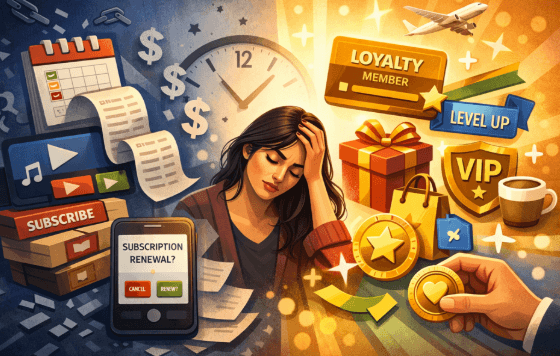
Subscription fatigue appears real, with measurable drops in engagement, willingness to pay, and retention beyond practical thresholds. Data show market saturation and opaque pricing eroding perceived value, shifting focus from features to tangible outcomes. Behavioral signals—longer signup gaps, price sensitivity, sunk-cost effects—suggest fatigue, while psychology links waning interest to value misalignment. Brands can counter with transparency and simplified commitments, but the question remains: will these moves restore trust or merely slow the decline?
What Subscription Fatigue Really Is
Subscription fatigue refers to a measurable drop in engagement, willingness to pay, or retention as the number of active subscriptions in a consumer’s portfolio increases beyond a practical threshold.
The phenomenon is observed across platforms, signaling a misalignment between perceived value and cumulative cost.
Market saturation pressures pricing transparency, while consumer psychology explains waning interest despite ongoing access and utility.
How It Changes What We Value in Services
As subscription fatigue reshapes consumer behavior, the way services are valued shifts from feature abundance to measurable outcomes and cost transparency. This reorientation refines what counts as value, foregrounding reliability, comparability, and tangible impact.
Data suggest consumer perception favors clarity over prestige, with pricing clarity reducing perceived risk.
Signs You’re Feeling Fatigue as a Shopper
Signs of shopper fatigue manifest as measurable changes in behavior and decision criteria.
Examining data, the pattern shows decreased repeat purchases, longer intervals between new signups, and heightened sensitivity to price shifts.
From a consumer psychology lens, confirmation bias and sunk-cost effects distort evaluations, reinforcing fatigue signals.
Subscription fatigue appears as a measurable constraint on perceived value and autonomy.
How Brands Can Win Without Burnout
Brands can mitigate burnout by aligning value with customer expectations and simplifying the commitment path.
Data shows sustainable retention hinges on transparent pricing, clear benefit signals, and controlled upgrade paths.
Skeptics note churn risk persists if novelty fades.
The argument: subscription economics thrives when friction is minimized, and ownership shifts empower choices.
Freedom-conscious consumers reward clarity over perpetual commitment.
See also: wagehive
Frequently Asked Questions
Can Fatigue Shift Consumer Loyalty Across Categories?
Cross-category fatigue can erode subscription loyalty, though effects vary by category. The data suggest modest, not universal, churn shifts; fatigue prompts selective switching. Analysts should treat loyalty as context-dependent, evidencing nuanced, data-driven patterns rather than broad, dramatic shifts.
Do Price Increases Accelerate Subscription Churn?
Price increases tend to raise churn risk for subscription services, with price sensitivity a key driver of disengagement. Data suggest moderate hikes provoke modest churn; aggressive pricing amplifies exit risk, undermining loyalty despite perceived freedom and value tradeoffs.
How Do Bundles Affect Perceived Value vs. Fatigue?
Bundles influence perceived value more than fatigue impact; data suggests bundles can elevate engagement, though effects vary by segment and price. Skeptically, the overall value gain must outweigh complexity costs to prove durable freedom-oriented benefits.
Is Fatigue Stronger Among Gen Z or Older Cohorts?
Gen Z fatigue appears stronger than Older cohorts, though data show variability across markets and definitions. Satirical framing aside, the pattern is cautious: Gen Z exhibits higher churn signals, while Older cohorts demonstrate steadier engagement with premium bundles and value.
What Metrics Best Predict Long-Term Subscription Success?
Long-term subscription success hinges on identifying churn predictors and monitoring subscription longevity; robust models emphasize retention drivers, cohort stability, and lifetime value. Skeptical, data-driven analysis suggests actionability lies in early warning signals and durable engagement metrics.
Conclusion
Subscription fatigue is real, but not insurmountable. Data show engagement declines and willingness to pay shifts as subscription density rises, yet signals remain actionable. Skeptics demand clarity, value, and predictable pricing; brands must prove tangible outcomes over bells and whistles. When customers see simple structures, transparent terms, and steady benefits, retention returns. Quantified, quality signals trump quantity. Subscriptions survive scrutiny with specificity, steady storytelling, and service that satisfies. Savvy systems, solid stewardship, satisfying substitutes, sustained success.